
In recent years, the Brazilian market has gained instruments designed to bring private capital to real economy sectors, and the agenda no longer depends on bank credit alone. But a wider menu has not solved what delays deals the most: the distance between a good asset and a financeable one.
01
The menu got bigger
Each sector now has its own routes. Agribusiness has the Rural Product Note (CPR), modernized by Law 13,986/2020, the CRA and the Fiagro funds created by Law 14,130/2021. Real estate works with CRI and segregated estates. Infrastructure and energy have the incentivized debentures of Law 12,431/2011 and the infrastructure debentures of Law 14,801/2024.
For business owners, this means more alternatives to traditional credit and the chance to match the financing term to the asset's term. For investors, it means access to cash flows tied to production, not only to financial assets.
A wider menu has not closed the distance between a good asset and a financeable one.
02
The bottleneck is still the project
An instrument does not replace structuring. A CRA needs identifiable backing; an incentivized debenture needs a project classified as a priority; a fund needs assets with documentation and governance that support a manager's review. Without that, the instrument exists, but the project does not reach it.
- Backing: receivables, contracts or production that support the promised cash flow.
- Eligibility: each instrument's legal and regulatory requirements met from the start.
- Governance: regular, reliable information for the other side.
03
Where the conversation is happening
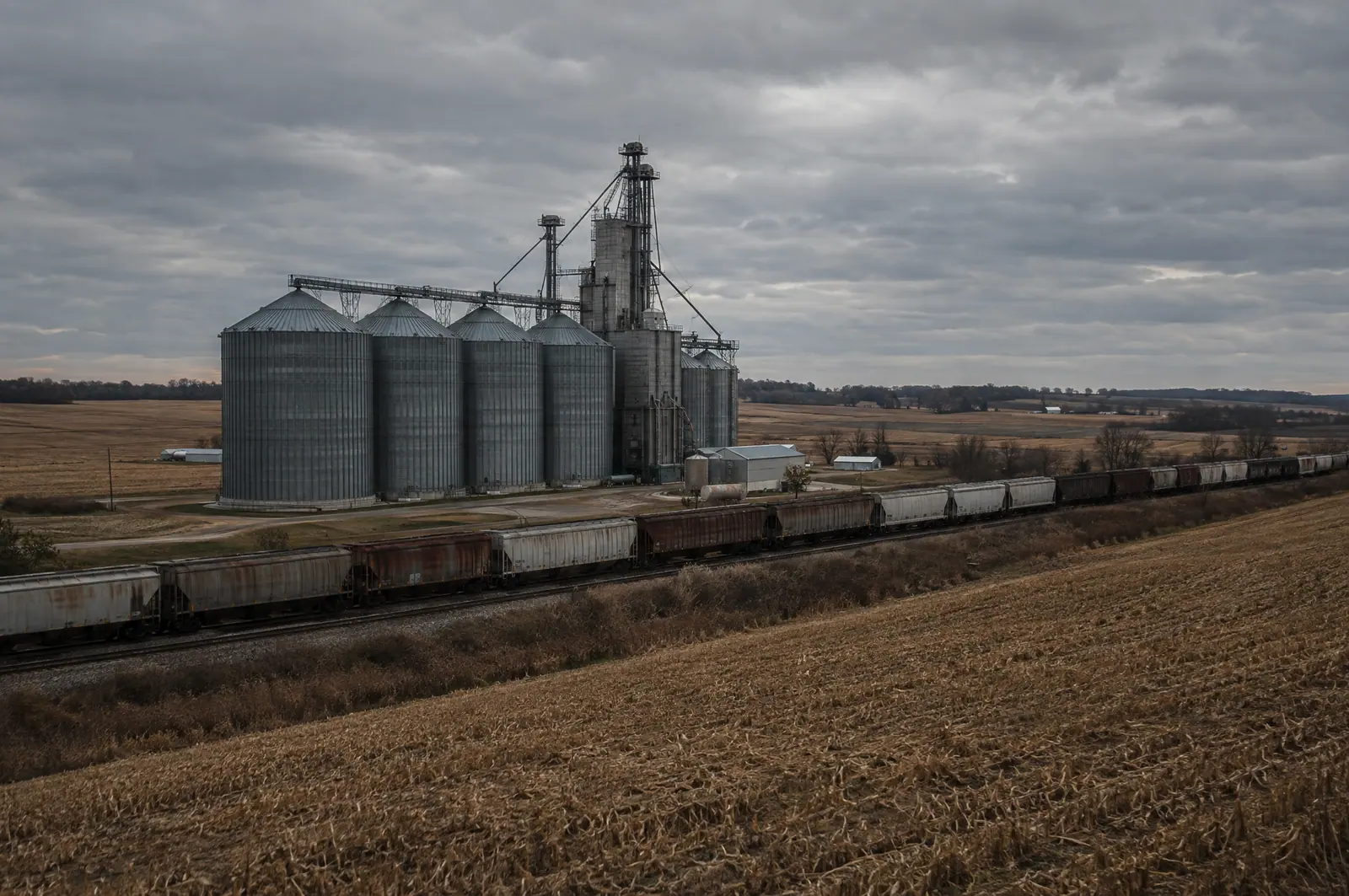
Agribusiness, infrastructure and logistics, real estate, energy and industry share one trait: long-term assets with predictable revenue when the project is well designed. That profile brings these sectors closer to investors seeking diversification outside traditional financial markets.
The energy transition, getting production to market and industrial modernization create continuous demand for capital. What sets apart the projects that move forward is the ability to turn the asset into a clear thesis, with mapped risks and a structure the investor recognizes.
04
Reading the cycle before deciding
Interest rates, exchange rates, regulation and commodity prices change each instrument's appeal over time. A deal that makes sense at one cost of capital may stop making sense at another. So the question is not which instrument is in fashion, but which structure survives more than one scenario.
That sector-by-sector reading is what the Real Economy Radar, the MOXS periodic research, will follow in each edition.
Practical conclusion
- 01Instruments to fund the real economy have multiplied; ready projects have not.
- 02Backing, eligibility and governance decide whether a project reaches the instrument.
- 03Choose the structure that survives more than one interest and exchange rate scenario.
MOXS SELECT
Editorial team
Sources
- 1.Law No. 13,986/2020 (Rural Product Note and rural segregated estates).
- 2.Law No. 14,130/2021 (Agribusiness Production Chain Investment Funds, Fiagro).
- 3.Law No. 12,431/2011 (incentivized debentures).
- 4.Law No. 14,801/2024 (infrastructure debentures).